The Science Behind Botox Injections
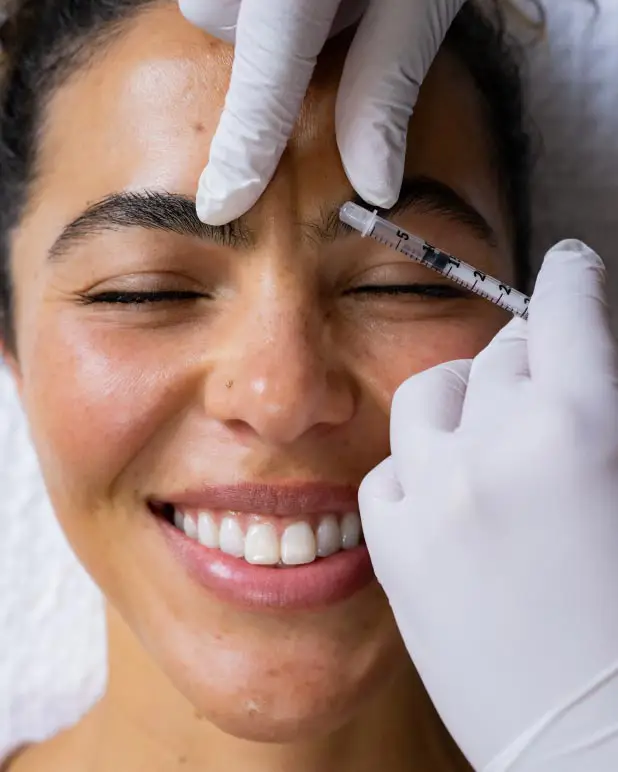
Botox injections have revolutionized the field of non-surgical aesthetics, offering a quick, safe, and effective way to soften expression lines and rejuvenate the face. Whether you're new to the concept or have considered it before, understanding the science behind Botox is essential to appreciate how it delivers those youthful results. In simple terms, Botox works by temporarily relaxing the muscles responsible for dynamic wrinkles like frown lines, forehead creases, and crow’s feet.
This article covers everything from how Botox works, types of botulinum toxin, and benefits, to risks, ideal candidates, preparation and aftercare, and frequently asked questions. Whether you're curious about what happens during a Botox appointment or looking for guidance on how to choose the right clinic, you’ll find it all right here.
What Is the Treatment and How It Works?
Botox Injection In Dubai(حقن البوتوكس في دبي) is a purified form of botulinum toxin type A, a neurotoxin derived from Clostridium botulinum. In controlled doses, it’s used to block signals from the nerves to the muscles. When injected, it prevents the muscle from contracting, thereby reducing the appearance of wrinkles and fine lines.
Here’s a breakdown of how it works:
Muscle relaxation: Botox targets specific muscles that contract during facial expressions.
Temporary effect: The result is temporary, typically lasting 3 to 6 months.
Nerve signal interruption: It blocks acetylcholine, the chemical that causes muscle contraction.
Skin smoothening: The overlying skin appears smoother and less lined.
Botox is not a filler, nor does it add volume. It works purely by muscle modulation. This makes it ideal for treating dynamic wrinkles, which are caused by repeated muscle movement over time.
Importance of Treatment:
Understanding the importance of Botox injections goes beyond aesthetics. While it’s widely known for cosmetic benefits, it also plays a role in medical treatments such as:
Chronic migraines
Excessive sweating (hyperhidrosis)
Muscle spasms or twitching
Overactive bladder
Eye muscle disorders
From a cosmetic perspective, the benefits include:
Non-invasive rejuvenation
Quick results
Minimal downtime
Boosted self-confidence
Its growing popularity is a testament to its effectiveness, versatility, and relative safety when administered correctly.
Types of Treatment:
There are several types of botulinum toxin brands used globally, each with slight differences in formulation:
Botox®: The original and most well-known brand.
Dysport®: Known for its quicker onset in some cases.
Xeomin®: A purer form without accessory proteins.
Jeuveau®: Often referred to as “Newtox,” designed specifically for cosmetic use.
Each type offers similar results, but your provider may choose one based on the treatment area, your goals, and how your body reacts. These brands differ in terms of spread, onset time, and duration, but all function via the same mechanism.
Preparation and Aftercare:
Proper preparation and aftercare for Botox injections can greatly impact your experience and results.
Before treatment:
Avoid alcohol, blood thinners, or anti-inflammatories for at least 48 hours.
Come with a clean face (no makeup or skincare products).
Disclose any medical conditions or medications.
After treatment:
Remain upright for at least 4 hours post-injection.
Avoid touching, rubbing, or massaging the area.
Refrain from vigorous exercise for 24 hours.
No facials, chemical peels, or heat exposure (sauna, hot baths) for 48 hours.
Proper aftercare helps prevent side effects like bruising, migration of the product, or infection and ensures optimal results.
Ideal Candidate:
Not everyone is an ideal candidate, and it’s important to assess your suitability before opting in. The ideal candidate for Botox injections generally:
Is between 18 to 65 years old
Has dynamic wrinkles (caused by facial expressions)
Wants subtle, non-permanent improvements
Is in good general health
Has realistic expectations
Is not pregnant or breastfeeding
Botox may not be suitable for individuals with certain neuromuscular disorders, allergies to ingredients in botulinum toxin, or those on specific medications. Always have a full consultation before beginning treatment.
How to Choose the Right Clinic?
Finding the right place for your Botox treatment is as important as the treatment itself. Your results depend heavily on the injector’s experience, technique, and knowledge of facial anatomy.
Here’s what to consider:
Look for certified and experienced professionals
Check before and after photos
Read real patient reviews
Ask about products used
Ensure clear communication during consultation
Avoid "too good to be true" offers
Your face is not a canvas for experimentation. A skilled injector tailors your treatment, avoids the frozen look, and helps you achieve natural, balanced results.
Risks Associated with Botox:
Like all procedures, Botox injections carry some risks, although side effects are generally rare and mild when administered correctly.
Common temporary side effects:
Mild bruising or swelling
Headache or flu-like symptoms
Drooping eyelid or asymmetry (if improperly placed)
Eye dryness or excessive tearing
Rare but serious risks:
Muscle weakness
Trouble breathing or swallowing
Allergic reactions
Following pre- and post-care instructions and choosing a qualified injector minimizes these risks considerably.
Benefits of Botox Injections:
The benefits of Botox Injection(حقن البوتوكس) go well beyond aesthetics. It’s a multipurpose treatment with a long-standing safety profile.
Key benefits include:
Smoother, wrinkle-free skin
Quick, 15-30 minute procedure
Minimal to no downtime
Prevents wrinkles from deepening
Can be used preventively in younger clients
Treats medical conditions like migraines and sweating
The ability to look refreshed without surgery or long recovery makes Botox one of the top non-invasive treatments globally.
Frequently Asked Questions:
Is Botox painful?
Only slightly. Most describe it as a quick pinch.
How soon will I see results?
Typically within 3 to 5 days, with full effect at 2 weeks.
How long do results last?
3 to 6 months on average.
Will I look frozen?
Not if done correctly. The goal is subtle enhancement, not stiffness.
Can I stop Botox after starting?
Yes. Your face will return to its original state over time.
What age should I start?
Mid to late 20s for preventative, 30s–40s for correction.
Can men get Botox?
Absolutely. Male Botox, or “Brotox,” is on the rise.
Conclusion:
Botox injections remain one of the most trusted, effective, and scientifically backed options for non-surgical facial rejuvenation. By understanding the science behind Botox, how it works, its types, preparation, aftercare, and suitability, you can make an informed choice that aligns with your personal aesthetic goals.
Whether you're treating expression lines or exploring Botox for medical reasons, the key to a successful outcome lies in realistic expectations, proper planning, and choosing the right professional. With its versatility and minimal downtime, Botox continues to be a go-to solution for those seeking a refreshed, youthful look without going under the knife.


